What Is Canvas UGC? Definition, Examples, and How It Works
You have seen the term “canvas UGC” appear in job boards, creator communities, and brand briefs. The concept is straightforward, but the details matter if you plan to create it or commission it.
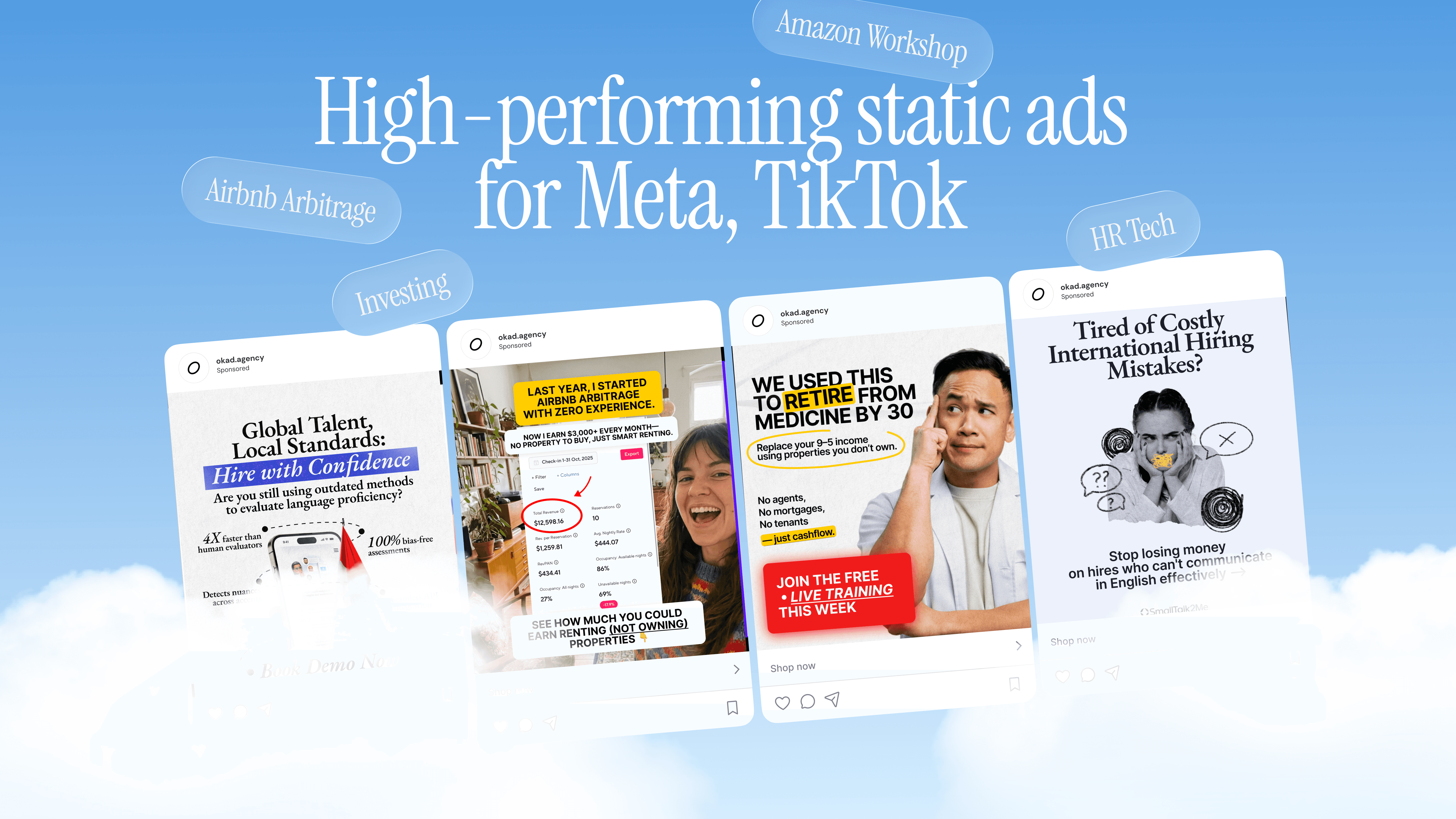
Canvas UGC is user-generated content produced within structured templates — canvases — that define the format, dimensions, text placement, and visual framework. The creator supplies the authentic human element: their face, voice, demonstration, or reaction. The canvas supplies the structure that makes the content work on specific platforms and for specific brand goals.
This is not a minor distinction. It changes how content is briefed, produced, priced, and measured.
Canvas UGC vs Traditional UGC
Traditional UGC gives a creator a product and a loose brief: “make a 30-second video showing how you use this.” The creator decides framing, pacing, text overlays, and structure. Results vary wildly. Some are excellent. Many miss the mark entirely because the creator made choices that conflict with platform algorithms or brand positioning.
Canvas UGC inverts this. The brand or agency provides a canvas — a structured template with:
- Fixed dimensions (9:16 for Reels/TikTok, 1:1 for feed, 4:5 for Stories)
- Text zones (where headlines, CTAs, and product info appear)
- Scene structure (hook → problem → solution → CTA)
- Brand elements (colors, fonts, logo placement)
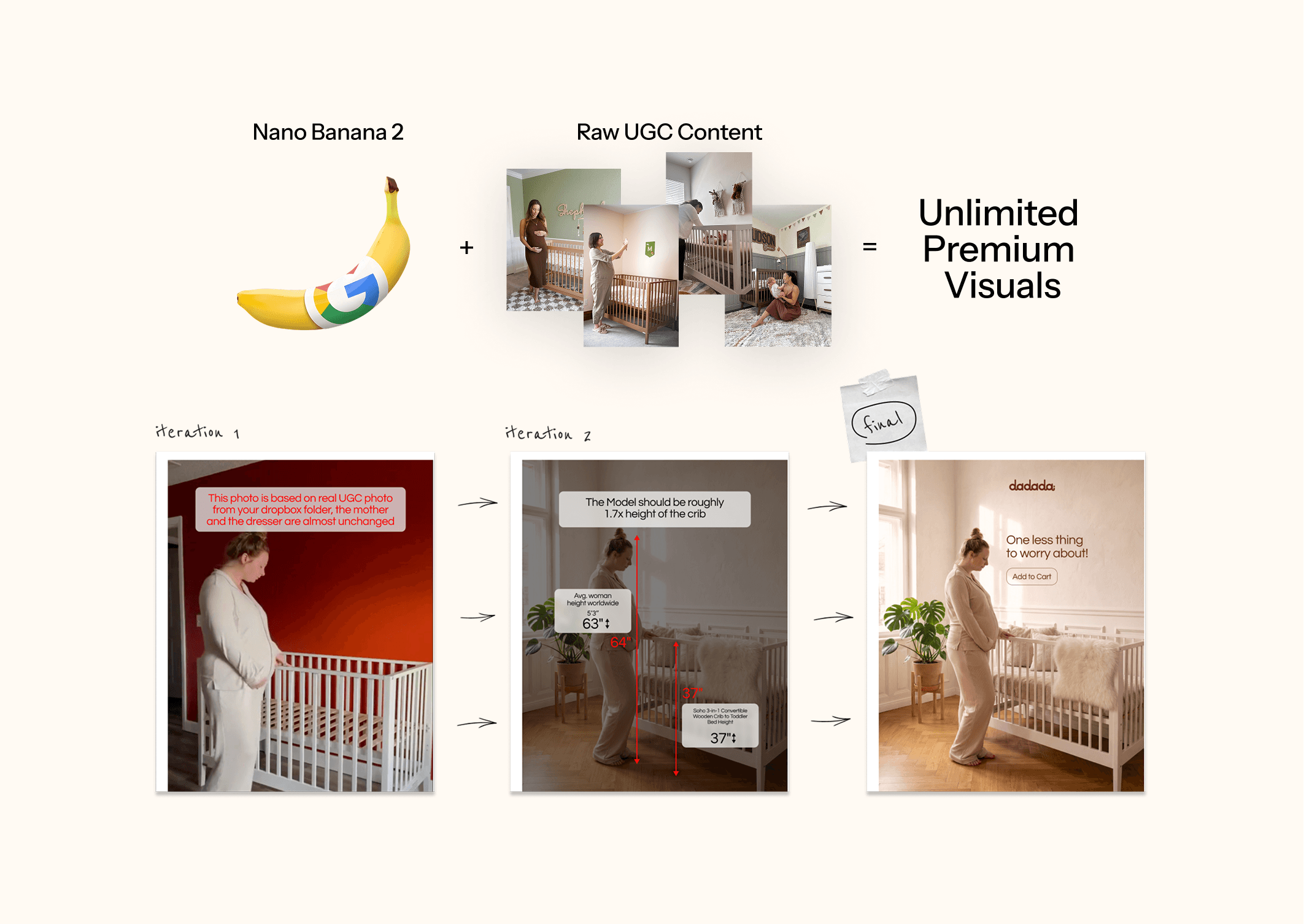
The creator works within this framework. They still bring authenticity — their face, their words, their genuine reaction — but the structural decisions are pre-made by someone who understands platform performance.
Why Brands Are Shifting to Canvas UGC
The shift is driven by three operational problems with traditional UGC:
Consistency at scale. When you commission 20 creators to make freeform UGC, you get 20 different formats, aspect ratios, and quality levels. With canvas UGC, you get 20 variations of a proven structure. Testing becomes meaningful because you are isolating the creator variable, not the structural variable.
Platform optimization. Each platform has specific requirements for hook timing, text safe zones, and aspect ratios. Canvas templates encode these requirements. A creator does not need to know that TikTok’s algorithm favors hooks in the first 0.8 seconds — the canvas builds that constraint into the template.
Production speed. A canvas brief takes 10 minutes to complete instead of an hour of back-and-forth on creative direction. Creators produce content faster because decisions are pre-made. Revision rates drop because the structure was right from the start.
Canvas UGC in Practice
A typical canvas UGC workflow looks like this:
- Brand or agency defines the campaign goal (awareness, conversion, retargeting)
- A canvas template is created with the right dimensions, scene structure, and text placement
- Creators receive the canvas with product and talking points
- Each creator records their content within the canvas framework
- The agency compiles final assets with brand overlays from the template
- Multiple variations ship to ad platforms for testing
The output is content that looks authentic to viewers but performs like professionally structured advertising. That combination — human authenticity plus structural optimization — is why canvas UGC consistently outperforms both polished brand videos and unstructured creator content.
Canvas UGC for Tech and SaaS Brands
Tech canvas UGC follows the same principles but adapts for software and digital products. Instead of holding a physical product, creators demonstrate screens, walk through features, or react to solving a problem with the tool.
The canvas is especially valuable here because tech products need specific screen recordings, UI demonstrations, and feature callouts that freeform creators almost always get wrong. The template specifies exactly which screens to show, which features to highlight, and how to structure the problem-solution narrative.
How to Evaluate Canvas UGC Quality
Not all canvas UGC is equal. When reviewing content or choosing a platform, look for:
- Hook strength — Does the first frame stop the scroll? The canvas should enforce a strong opening.
- Template variety — Multiple canvas structures for different campaign goals, not one template repeated endlessly.
- Creator authenticity — The structure should enhance, not suppress, the creator’s natural delivery.
- Platform compliance — Correct safe zones, aspect ratios, and duration for each target platform.
- Brand consistency — Colors, fonts, and messaging match your brand guidelines without looking corporate.
What Canvas UGC Costs
Pricing depends on complexity and volume:
| Format | Per Asset | Monthly Retainer |
|---|---|---|
| Simple talking head (15s) | $50–$100 | $1,000–$2,000 |
| Product demo with B-roll | $100–$200 | $2,000–$4,000 |
| Multi-scene with text overlays | $150–$300 | $3,000–$6,000 |
| Full production (studio + editing) | $300–$500 | $5,000–$10,000 |
Volume discounts apply. Agencies producing 20+ assets per month typically negotiate 30–40% below per-asset rates.
Getting Started
If you are a brand: define your campaign goals, choose a canvas UGC platform, and start with a small test batch (5–10 assets) before committing to volume production. Measure hook rate, view-through rate, and cost-per-action against your existing creative.
If you are a creator: sign up on canvas UGC platforms, review available briefs, and submit test content. The learning curve is short if you already create social content. The canvas structure actually makes your job easier — less guessing about what the brand wants.
Canvas UGC is where user-generated content and performance marketing meet. The format is growing because it solves the core tension between authenticity and optimization. Brands get content that looks real and performs at scale. Creators get structured briefs that produce better work faster.
Frequently Asked Questions
What does canvas UGC mean?
Canvas UGC refers to user-generated content created within structured, template-based formats (canvases) rather than filmed freely. Creators work inside predefined layouts that specify dimensions, text placement, and visual structure while adding their authentic voice and style.
How is canvas UGC different from traditional UGC?
Traditional UGC is freeform — a creator films whatever they want. Canvas UGC provides a structured template with specific dimensions, text zones, and brand guidelines. The creator still provides authentic content, but within a framework that ensures brand consistency and platform optimization.
Can you earn money with canvas UGC?
Yes. Canvas UGC creators typically earn $50–$300 per asset depending on complexity. High-volume creators working with multiple brands can earn $2,000–$5,000+ per month. The structured format means faster production, so experienced creators complete more jobs per day.
What platforms use canvas UGC?
Canvas UGC appears on TikTok, Instagram Reels, Meta Ads, Pinterest, and YouTube Shorts. Platforms like ReelPilot provide the canvas templates and connect creators with brands needing this format.
How do I start creating canvas UGC?
Start by signing up on a canvas UGC platform, browse available briefs, and submit test content. You need a smartphone, decent lighting, and the ability to follow structured templates. No professional equipment required.
Need help with this?
We'll review your project, share relevant work, and suggest an approach — no pitch decks, just a straight conversation.
Book a Call