Partnership Ads and Spark Ads: The Complete Guide for Brands and Creators
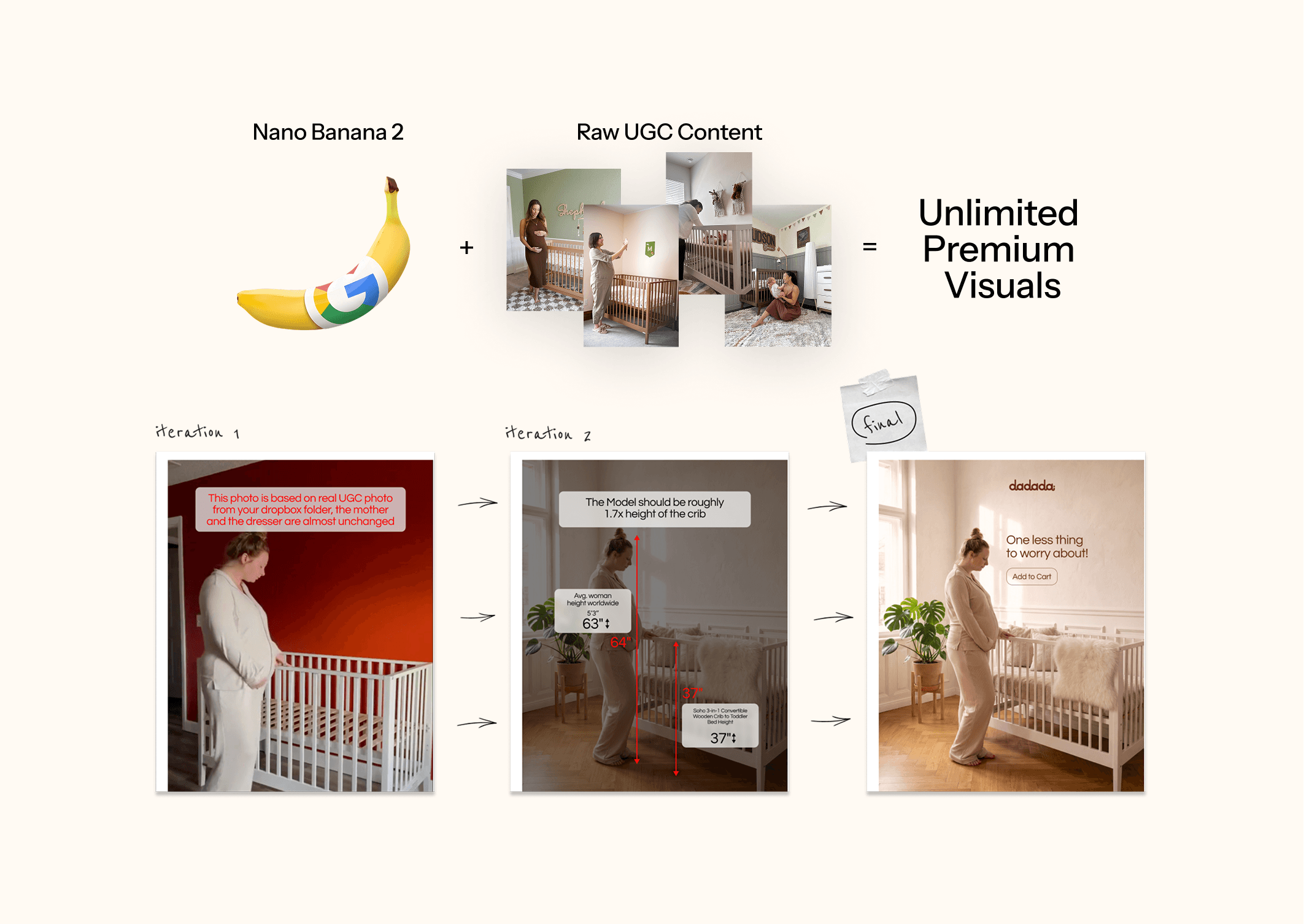
When a brand runs an ad from its own account, users see a brand trying to sell them something. When that same ad runs through a creator’s account as a partnership ad, users see a person they follow recommending a product. That distinction drives measurably different results.
Partnership ads — called Spark Ads on TikTok and branded content ads on Meta — let brands amplify creator content through paid media while keeping the creator’s identity attached. The ad shows the creator’s name, profile picture, and maintains social proof like comments and shares.
How Partnership Ads Work
The mechanics are straightforward:
- Creator makes content — Either organic content that already exists or content commissioned specifically for the campaign
- Creator grants permission — Through platform tools, the creator authorizes the brand to run the content as a paid ad
- Brand sets up the campaign — Using their ad manager, the brand targets audiences, sets budgets, and launches the ad
- Ad runs from creator’s account — Users see the creator’s name and profile, not the brand’s ad account
- Both parties see performance — Creator sees engagement on their profile, brand sees full ad metrics in their dashboard
The content looks and feels like an organic post from the creator. It shows up in feeds naturally. The only indicator is a small “Sponsored” or “Paid partnership” label.
Platform-by-Platform Setup
TikTok Spark Ads
Creator side:
- Go to Settings → Creator tools → Spark Ads
- Select the video you want to authorize
- Set authorization duration (7, 30, or 60 days)
- Generate and share the authorization code with the brand
Brand side:
- Open TikTok Ads Manager → Create new campaign
- Choose “Spark Ads” in the ad setup
- Enter the creator’s authorization code
- Set targeting, budget, and schedule
- Launch
Key details:
- Authorization codes are time-limited — coordinate timing with the creator
- The original video stays on the creator’s profile with all engagement intact
- Performance metrics from the Spark Ad boost contribute to the organic post’s engagement
Meta Partnership Ads (Instagram / Facebook)
Creator side:
- Create the content post as normal
- Tap “Add paid partnership label”
- Search for and tag the brand as paid partner
- The brand receives a notification and can approve
Brand side:
- Open Meta Ads Manager → Create campaign
- Under “Partnership ads,” select the creator’s post
- Set up targeting and budget
- Launch as partnership ad
Key details:
- Creator must have a Professional account (Creator or Business)
- Brand must approve the partnership tag before the ad can run
- Both parties can see insights for the promoted content
Why Partnership Ads Outperform Standard Ads
The performance difference is well-documented:
| Metric | Standard Brand Ad | Partnership Ad | Improvement |
|---|---|---|---|
| Click-through rate | 0.5–1.2% | 1.5–3.5% | 2–3x higher |
| Cost per click | $0.80–$2.50 | $0.30–$1.20 | 40–60% lower |
| Engagement rate | 1–3% | 4–8% | 2–3x higher |
| Video completion rate | 15–25% | 30–50% | 2x higher |
| Cost per acquisition | Baseline | 30–50% lower | Significant |
The reason: creator context activates trust. When users see a person they follow or a person who looks like them recommending something, it triggers a different cognitive response than seeing a brand advertisement. This is not a marketing theory — it is consistently measurable across millions of ad impressions.
Spark Ads vs Standard In-Feed Ads
TikTok Spark Ads specifically carry advantages:
Social proof accumulates. Likes, comments, and shares from the Spark Ad contribute to the original organic video. A well-performing Spark Ad can make an organic post go viral.
Algorithm benefits. TikTok’s algorithm treats Spark Ads more favorably than standard in-feed ads because they maintain the native content format. Higher relevance scores mean lower costs.
Creator credibility. The creator’s profile, followers, and content history are visible. Users can tap through to see the creator’s other content, which builds trust beyond the single ad.
Duet and Stitch enabled. Unlike standard ads, Spark Ads can be duetted and stitched by other users, creating additional organic reach at no cost.
Best Practices for Brands
Choose the right creators. Follower count matters less than niche relevance and engagement rate. A 15K-follower creator with 10% engagement in your niche will outperform a 500K-follower general creator with 1% engagement.
Let creators be creators. The worst partnership ads are scripts read word-for-word. Provide key messages and constraints, then let the creator deliver in their natural style. Authenticity is the entire value of the format.
Test organic first. Post the content organically before promoting it. If it gets natural engagement, amplify with Spark Ads or partnership promotion. Content that fails organically rarely succeeds as a paid ad.
Budget for scale. Partnership ads work best with sustained spend, not one-off boosts. Plan for monthly creator partnerships with ongoing Spark Ad budgets rather than single posts.
Track beyond last-click. Partnership ads influence consideration and brand perception even when they do not generate immediate clicks. Measure brand lift and search volume increases alongside direct conversion metrics.
Best Practices for Creators
Negotiate usage rights clearly. Specify how long the brand can run partnership ads with your content. 30 days is standard. 90+ days should command higher rates.
Create content that works both ways. Good partnership content performs organically and as a paid ad. This means strong hooks, authentic delivery, and clear value for the viewer — not just a product plug.
Maintain authenticity. Your audience trusts you because you are genuine. Partnership ads that feel forced damage that trust and hurt both you and the brand. Only partner with products you would genuinely use or recommend.
Charge for usage, not just creation. Content creation is one fee. Partnership ad authorization — letting a brand spend potentially thousands of dollars promoting your face and name — is a separate fee. Structure pricing to reflect both.
Partnership ads represent the convergence of creator marketing and performance advertising. Brands get the trust and engagement of creator content with the targeting and scale of paid media. Creators get additional revenue from content they are already making. The format works because it aligns incentives: both parties benefit when the content is authentic and the audience responds.
Frequently Asked Questions
What are partnership ads?
Partnership ads (formerly branded content ads) let brands run paid promotions through a creator's account. The ad appears to come from the creator, not the brand, which increases trust and engagement. Available on Meta (Facebook/Instagram), TikTok (as Spark Ads), and other platforms.
What are TikTok Spark Ads?
Spark Ads are TikTok's version of partnership ads. They let brands boost an existing organic TikTok video or create new ads that run from the creator's account. Spark Ads keep social proof (likes, comments, shares) and typically get 30–50% higher engagement than standard in-feed ads.
How do partnership ads perform compared to regular ads?
Partnership ads typically achieve 2–3x higher click-through rates, 30–50% lower cost-per-action, and higher engagement rates compared to brand-account ads. The creator context triggers trust signals that bypass ad fatigue and banner blindness.
How do creators authorize partnership ads?
On Instagram: use the Branded Content tool to tag the brand as a paid partner. On TikTok: generate an authorization code in Settings → Creator tools → Spark Ads, then share the code with the brand. Both platforms require explicit creator permission for each post.
Need help with this?
We'll review your project, share relevant work, and suggest an approach — no pitch decks, just a straight conversation.
Book a Call