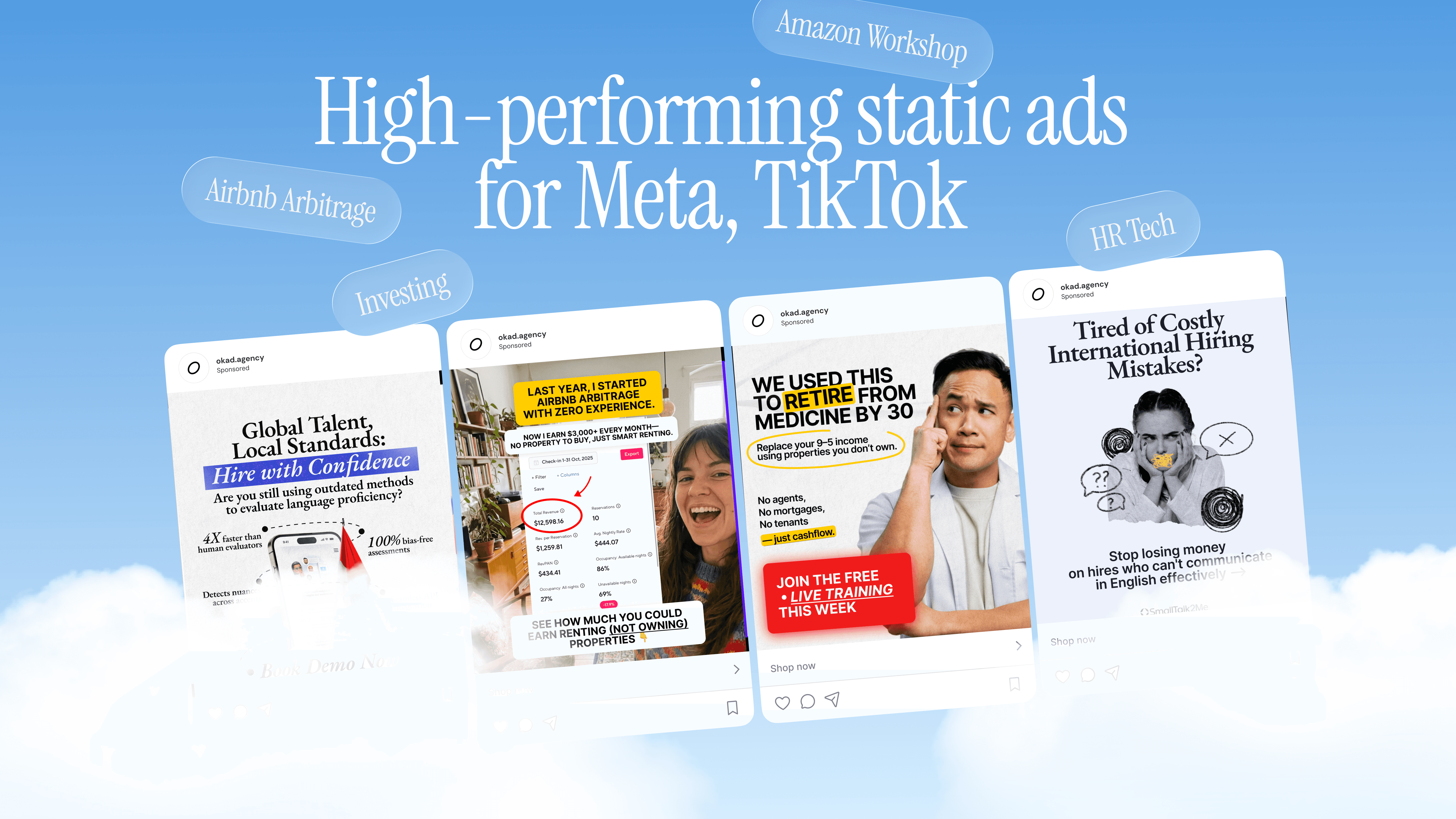
Ad Fatigue: How to Detect Creative Decay and Prevent It
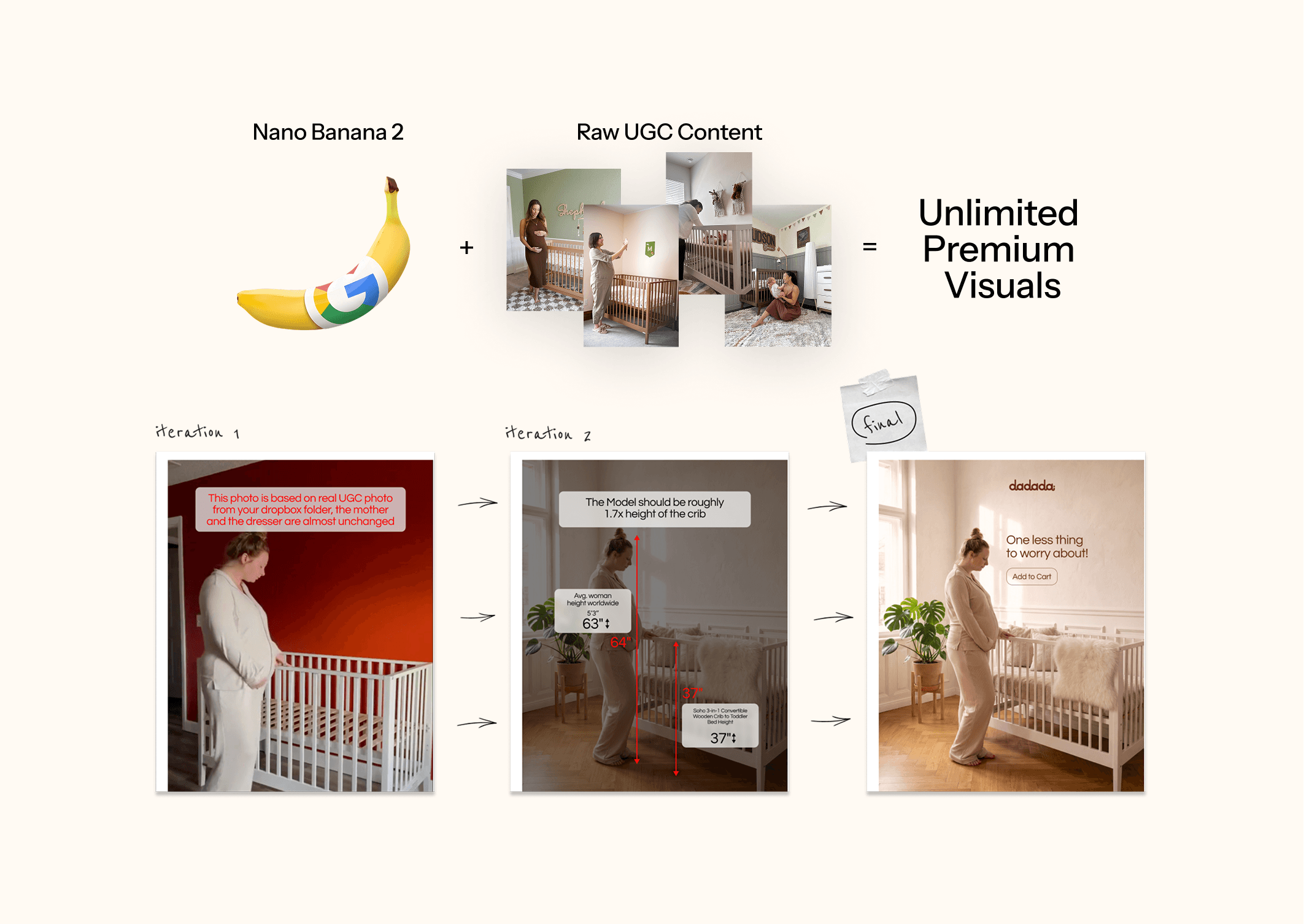
Ad fatigue is the single biggest ongoing cost in paid advertising. Every ad you run will eventually stop working — not because the targeting changed or the audience disappeared, but because people saw it too many times and stopped responding.
Meta’s Andromeda system, launched in 2024, evaluates roughly 100,000 ad candidates per impression (up from ~1,000 previously). It aggressively penalizes stale creative and rewards freshness. The result: average creative lifespan has compressed from about 6 weeks to roughly 10 days.
Understanding fatigue is not optional. It is the operational reality of every paid media campaign.
The Fatigue Timeline
Performance follows a predictable cycle:
| Phase | Timing | What Happens |
|---|---|---|
| Launch | Days 1–3 | Volatile CPA, unreliable data. Algorithm learning. |
| Peak | Days 3–7 | Optimal CPA, highest CTR. This is the creative’s best performance. |
| Plateau | Days 7–14 | Stable CPA, frequency approaching 2.0. Still profitable but declining. |
| Decline | Days 14–21 | CTR dropping, CPA elevated 30–60% above peak. |
| Death | Day 21+ | CPA doubled or tripled, minimal impressions. Creative is spent. |
This timeline varies by platform. TikTok creative fatigues in 1–3 weeks. Meta lasts 2–4 weeks. YouTube holds 4–8 weeks. Google Search/Display can run 6–12 weeks before significant decay.
Early Warning Signs
Fatigue follows a predictable sequence. Catch it early and you save budget:
- Frequency rises past 2.0 — The average person has seen your ad twice. Decay is starting.
- CTR begins declining — 3 consecutive days of CTR decline with frequency above 2.0 = confirmed fatigue.
- Hook rate decreases — People who used to stop scrolling are now scrolling past.
- CPA increases — 30% above the creative’s peak CPA means the ad is losing efficiency.
- Impression volume drops — The algorithm is deprioritizing your creative.
- CPM rises — You are paying more to reach fewer people.
The actionable threshold: if CTR drops for 3 consecutive days and frequency is above 2.0, fatigue has started. Do not wait for CPA to spike — act when CTR starts declining.
Fatigue vs. Bad Creative
Not every underperforming ad is fatigued. The distinction matters because the response is different:
| Signal | Fatigued Ad | Bad Creative |
|---|---|---|
| Performance history | Good initially, then declining | Never performed well |
| Frequency | High (2.5+) | Low (1.0–1.5) |
| Correct response | Iterate — new hook, new creator, same concept | Kill — analyze why it failed, try a different concept |
If an ad never performed above your CPA target, it is not fatigued — it was never good. Kill it and analyze why. If an ad performed well for 10 days then declined, it is fatigued. Iterate on the concept with fresh execution.
Seven Extension Techniques
These approaches delay fatigue but cannot prevent it indefinitely:
1. Replace the hook. Swap the first 3 seconds while keeping the body and CTA. The hook is the highest-leverage component — a new opening makes the ad feel fresh even if the core message is identical.
2. Update the thumbnail. For static ads or video ads in placements that show a preview image, changing the first frame can extend lifespan significantly.
3. Re-edit the pacing. Same footage, different edit — change the music, adjust cut timing, modify text overlay animations. This creates a distinct viewing experience from the same raw material.
4. Use a different creator. Same script, different person. The audience sees a new face, new voice, new energy. The concept that works keeps working with a fresh delivery.
5. Change the format. Convert a talking-head to a voiceover-with-b-roll. Turn a single video into a carousel. Reformat a Reel as a Story. Each format change reaches the same audience through a different attention pathway.
6. Broaden the target audience. Wider targeting reduces per-person frequency. If your audience is seeing the ad 3 times per week, doubling the audience size cuts that to 1.5 times.
7. Reduce spend gradually. Instead of killing a declining ad, reduce budget by 20–30%. Lower spend means lower frequency, which slows the fatigue curve. Use the freed budget on fresh creative.
The Creative Pipeline Solution
Extension techniques buy time. The only structural solution to ad fatigue is a continuous creative pipeline — producing fresh winners faster than existing ones decay.
Production volume by spend level
| Monthly Ad Spend | New Concepts per Week | Active Variations Needed |
|---|---|---|
| $10K–$50K | 3–6 | 10–20 |
| $50K–$200K | 6–12 | 20–40 |
| $200K+ | 12–20+ | 40–80+ |
The pipeline math
If you need 5 active winning ads at any time, and your creative success rate is 25% (1 in 4 concepts works), you must produce 20 concepts per testing cycle to maintain your winners.
This is why UGC and canvas UGC are essential for brands spending seriously on paid media. Studio production cannot match the volume requirement. A network of 10–15 UGC creators producing weekly delivers the creative volume that scaling demands.
Monitoring System
Track these metrics daily for every active creative:
| Metric | Yellow Alert | Red Alert |
|---|---|---|
| Frequency | 2.0 | 2.5 |
| CTR decline | 2 consecutive days | 3 consecutive days |
| CPA increase | 20% above peak | 30% above peak |
| Hook rate | 10% below peak | 20% below peak |
| Days active | 14 | 21 |
Set up automated alerts in your ad platform or reporting dashboard. Manual checking works at small scale but fails when managing 20+ active creatives.
The Decision Framework
When fatigue hits, choose one of three paths:
Iterate — The concept works but the execution is stale. New hook, new creator, or new format. Keep the strategy, change the tactics.
Scale down — The creative is still profitable but declining. Reduce budget and extend its life while you launch replacements.
Kill — CPA is above your threshold and declining. Stop spending immediately. No amount of optimization saves a dead creative.
The brands that maintain ROAS at scale are not avoiding fatigue — they are outrunning it. They produce more creative, test faster, and replace fatigued assets before performance collapses. Ad fatigue is not a problem to solve. It is a constraint to operate within.
Frequently Asked Questions
What is ad fatigue?
Ad fatigue is the measurable decline in ad performance caused by repeated exposure to the same creative. When audiences see the same ad too many times, they develop banner blindness — click-through rates drop, cost-per-acquisition rises, and platforms reduce delivery. Meta's Andromeda system has compressed average creative lifespan to roughly 10 days.
How do you know if an ad has fatigue?
Watch for this sequence: frequency rises past 2.0, CTR begins declining for 3+ consecutive days, hook rate decreases, CPA increases 30%+ above the creative's peak, and impression volume drops. If CTR drops for 3 consecutive days with frequency above 2.0, fatigue has started.
How do you fix ad fatigue?
Short-term: replace the opening 3 seconds (new hook), update the thumbnail, re-edit with different pacing, or use a different creator with the same script. Long-term: build a continuous creative pipeline producing 3–12 new concepts weekly depending on spend level.
How often should you refresh ad creative?
At $10K–$50K monthly spend: 3–6 new concepts weekly. At $50K–$200K: 6–12 new concepts weekly. At $200K+: 12–20+ new concepts weekly. The only structural solution to ad fatigue is producing fresh winners faster than existing ones decay.
Need help with this?
We'll review your project, share relevant work, and suggest an approach — no pitch decks, just a straight conversation.
Book a Call